
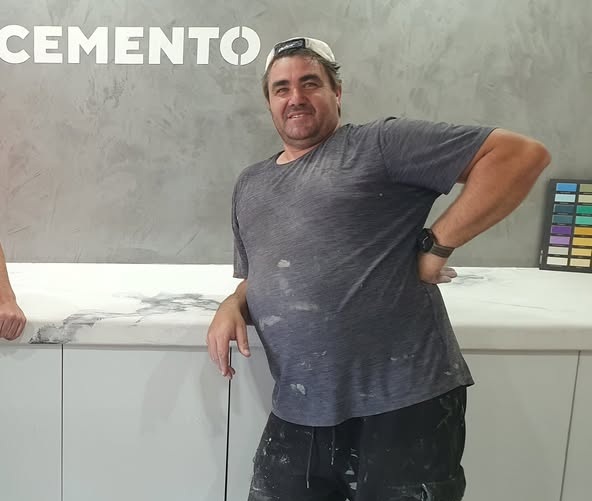
Maurizio Cremasco
Founder of Cemento
As the founder of Cemento, Maurizio brings decades of hands-on experience in traditional plastering and decorative finishes.
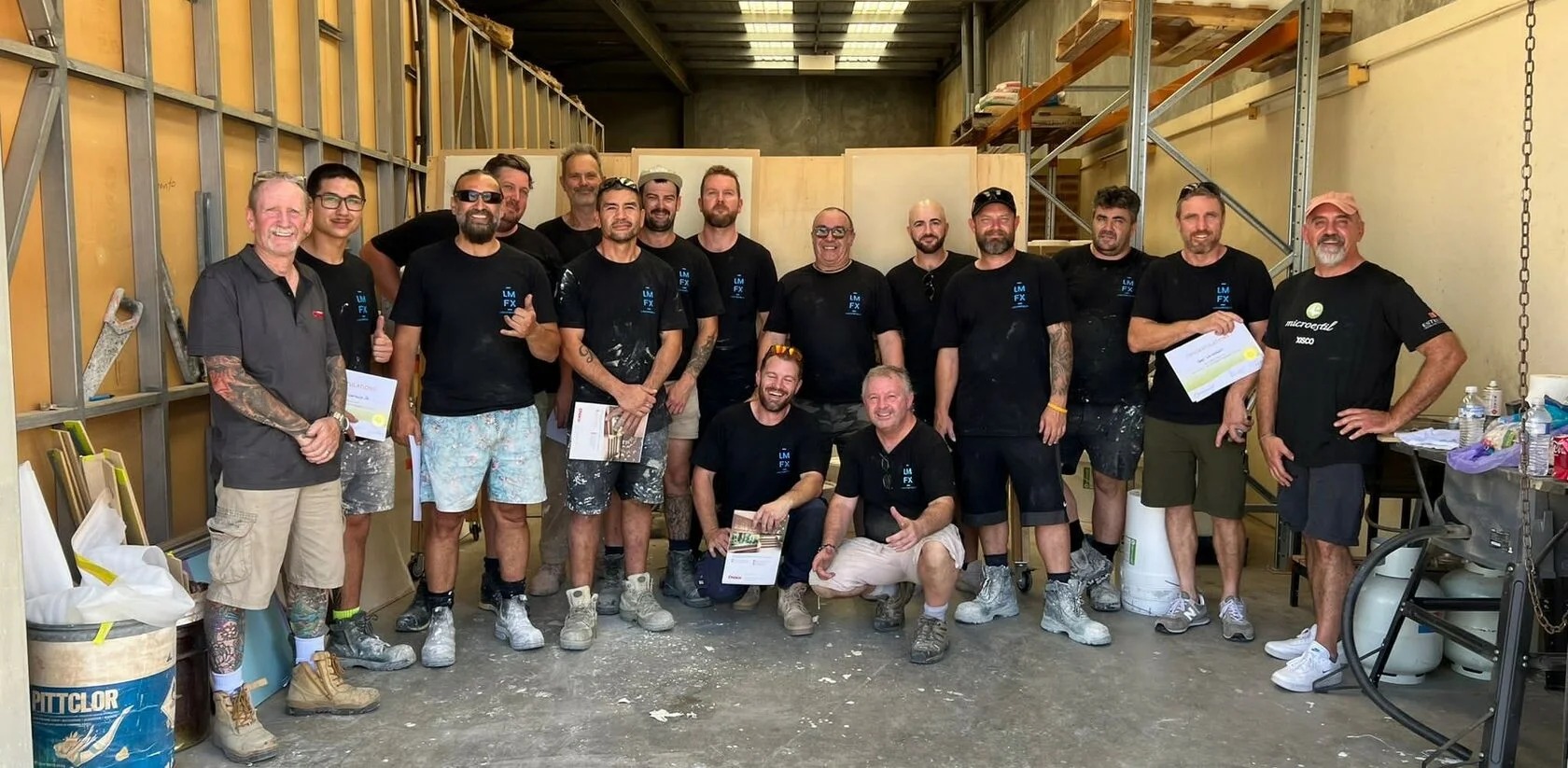
DIY training
A hands-on workshop at our Malaga warehouse for homeowners and trades. Small groups, practice panels, real products — and honest advice about what micro cement will and won't forgive.
Upcoming training
Places are limited so everyone gets trowel time on their own practice panel. All materials, tools and lunch are included, and you leave with a product list for your first job.
What you'll cover
17 Irvine Street, Malaga WA 6090 — Mon – Fri, 7:00am – 4:00pm. Sessions run in small groups. Next dates: 10 October and 7 November 2026.
Everyone who trains with us can buy the full Microestil range from our materials shop and call us for support on their first job.
Your trainers
Founder of Cemento
As the founder of Cemento, Maurizio brings decades of hands-on experience in traditional plastering and decorative finishes.
Head Trainer
With over 45 years in plastering and decorative finishes, Rob is a Master Plasterer whose expertise spans residential renovations to large-scale commercial projects.